

Building a standout phone case brand in 2026 requires more than great designs. You need professional mockups, accurate color management, and compelling brand storytelling to compete in a market projected to reach $27+ billion by 2025. This guide walks you through preparing your branding foundation, creating photorealistic mockups with proper CMYK profiles, developing memorable brand narratives, and measuring your impact to drive real e-commerce success.
Table of Contents
- Preparing For Your Phone Case Branding Journey
- Designing Your Phone Case And Creating Professional Mockups Step By Step
- Building Your Phone Case Brand Through Storytelling And Marketing Strategies
- Verifying Your Branding Effectiveness And Common Pitfalls To Avoid
- Elevate Your Phone Case Branding With Bettermockups
Key takeaways
| Point | Details |
|---|---|
| Market opportunity | The mobile phone case market is growing at 5.3% annually, creating space for differentiated brands. |
| Color accuracy matters | Using the CMYK color profile ensures your printed cases match mockup colors and customer expectations. |
| Step-by-step approach | Success requires preparation, professional mockup creation, strategic storytelling, and ongoing optimization. |
| Proven tactics work | Scarcity, social-first marketing, and perceived quality drive customer engagement and premium pricing. |
Preparing for your phone case branding journey
Before creating your first mockup, you need a solid foundation. Understanding your market position and preparing the right tools separates successful brands from those that fade quickly.
The mobile protective cases market is forecast to reach USD 27.38 billion in 2025, growing at approximately 5.3% annually through 2030. This expansion creates opportunities for small brands willing to differentiate through quality and branding. Your preparation starts with recognizing what customers actually value: protection and style working together.
Customers will pay extra for cases that truly protect their expensive phones. This means your branding must communicate both aesthetic appeal and functional reliability. Position your products as guardians of valuable devices, not just decorative accessories.
Gather these essentials before designing:
- High-resolution design software capable of CMYK color management
- Professional mockup templates matching your target phone models
- Brand concept including color palette, typography, and visual style
- Reference images showing your desired aesthetic and quality level
- Understanding of your target customer’s lifestyle and preferences
Color profile preparation is non-negotiable. Designs created in RGB will shift colors dramatically when printed using CMYK processes. This discrepancy destroys customer trust when the delivered product looks nothing like your listing photos. Always start with CMYK to ensure what customers see matches what they receive.
If you’re exploring how to start a phone case business, invest time understanding print specifications before creating designs. Knowing bleed areas, safe zones, and resolution requirements prevents costly redesigns later.
Pro Tip: Avoid using low-resolution images below 300 DPI in your mockups. Pixelated visuals immediately signal amateur quality and reduce conversion rates, even if your actual products are excellent.
Designing your phone case and creating professional mockups step by step
With preparation complete, you’re ready to create designs that translate perfectly from screen to physical product. This process requires attention to technical details that casual designers often overlook.
Follow these steps for professional results:
- Sketch initial concepts considering the phone case dimensions and camera cutouts
- Create digital designs in software supporting CMYK color mode from the start
- Convert any RGB elements to CMYK and verify colors remain vibrant
- Select mockup templates matching your target phone models exactly
- Import your designs into layered PSD mockups for realistic product visualization
- Adjust lighting, shadows, and reflections to match your brand aesthetic
- Export final mockups at high resolution for listings and marketing materials
The color profile difference matters more than most beginners realize. RGB displays colors using light, while CMYK uses ink. This fundamental difference means vibrant screen colors often appear duller when printed.
| Color Mode | Usage | Color Range | Print Accuracy |
|---|---|---|---|
| RGB | Digital screens | Wider spectrum | Poor - colors shift |
| CMYK | Print production | Limited to printable inks | Excellent - what you see is what prints |
Using the CMYK color profile is crucial for accurate color reproduction in phone case printing. Design in CMYK from the beginning rather than converting later, as this approach prevents unexpected color shifts that disappoint customers.
When learning how to design your own case for phone, choose mockup templates offering multiple angles. Customers want to see how designs wrap around edges and interact with buttons and ports. Single-angle mockups leave too many questions unanswered.
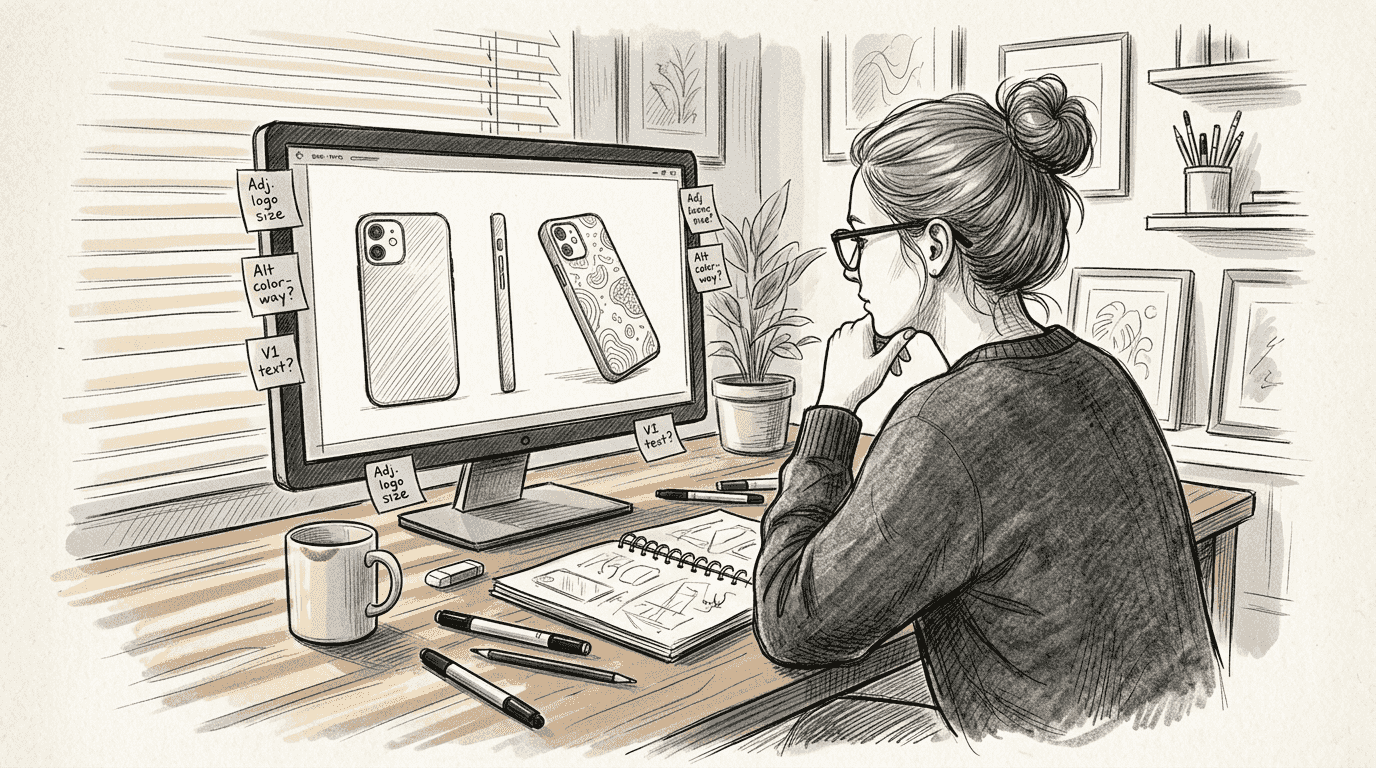
Layered PSD mockups give you control over every visual element. Adjust background colors, add lifestyle props, modify lighting direction, and customize shadows to create cohesive brand imagery. This flexibility helps maintain consistent visual identity across all marketing channels.
Pro Tip: Preview your mockups on various phone models even if you’re initially launching with one device. This forward planning simplifies expansion and helps you identify design elements that work universally versus those requiring model-specific adjustments.
Building your phone case brand through storytelling and marketing strategies
Technical excellence means nothing without compelling brand narratives that connect emotionally with customers. Successful phone case brands position their products as extensions of customer identity, not merely protective accessories.
Develop your brand story by answering these questions:
- What lifestyle does your brand represent?
- How do your cases reflect customer values and aspirations?
- What makes your brand different from mass-market alternatives?
- Why should customers care about your creative vision?
Casetify’s social-first business model created an organic marketing loop that modern direct-to-consumer brands still try to emulate. They positioned cases as fashion statements and encouraged customers to share styled photos, generating endless user content that attracted new buyers. This approach costs virtually nothing compared to traditional advertising.
Your social media strategy should prioritize visual storytelling. Share behind-the-scenes design processes, customer testimonials, styled product photography using your professional mockups, and lifestyle content showing cases in real-world contexts. Each post reinforces brand identity and builds community.
“The most successful phone case brands don’t sell protection; they sell identity. Customers choose cases that reflect who they are or who they want to become.”
Scarcity drives urgency and perceived value. Limited-edition designs encourage quick purchases because customers fear missing exclusive releases. Wildflower Cases mastered this strategy through celebrity collaborations and seasonal drops that sell out within hours.
Implement scarcity thoughtfully:
- Release limited quantities of special designs monthly
- Create seasonal collections that retire permanently
- Collaborate with artists or influencers for exclusive capsules
- Number special editions to enhance collectibility
Position cases as lifestyle products intersecting fashion, art, and technology. Feature them in aspirational settings rather than sterile product shots. Your professional mockups should tell stories about the lives customers want to lead, with your cases playing supporting roles in those narratives.
Apply phone case branding tips consistently across all customer touchpoints. From packaging to social media to customer service interactions, every element should reinforce your brand identity and values.
Verifying your branding effectiveness and common pitfalls to avoid
Branding isn’t a one-time effort. Successful brands continuously measure impact, gather feedback, and refine their approach based on real customer behavior and sales data.
Track these metrics to gauge branding effectiveness:
- Conversion rate changes after mockup or messaging updates
- Average order value shifts indicating perceived quality improvements
- Customer review sentiment mentioning brand appeal or design quality
- Social media engagement rates on branded content
- Repeat purchase rates showing brand loyalty development
Customer reviews reveal how your branding translates to actual experience. Pay special attention to comments about color accuracy, design quality, and whether products match listing photos. Discrepancies here indicate technical problems with your mockup process or production workflow.
A/B testing different mockup styles shows which visual approaches resonate strongest. Test lifestyle settings versus plain backgrounds, multiple angles versus single hero shots, and various color schemes to identify winning combinations. Let data guide creative decisions rather than personal preferences.
Avoid these common branding mistakes:
- Using low-resolution images leading to pixelated mockups that undermine quality perception
- Neglecting CMYK profiles causing color discrepancies between mockups and delivered products
- Inconsistent visual identity across different marketing channels confusing customers
- Copying competitor aesthetics instead of developing distinctive brand personality
- Ignoring customer feedback about design preferences or quality concerns
- Overcomplicating designs that don’t translate well to small phone case surfaces
Each mistake damages customer trust and reduces conversion rates. Professional branding requires consistency, accuracy, and attention to technical details that amateur approaches overlook.
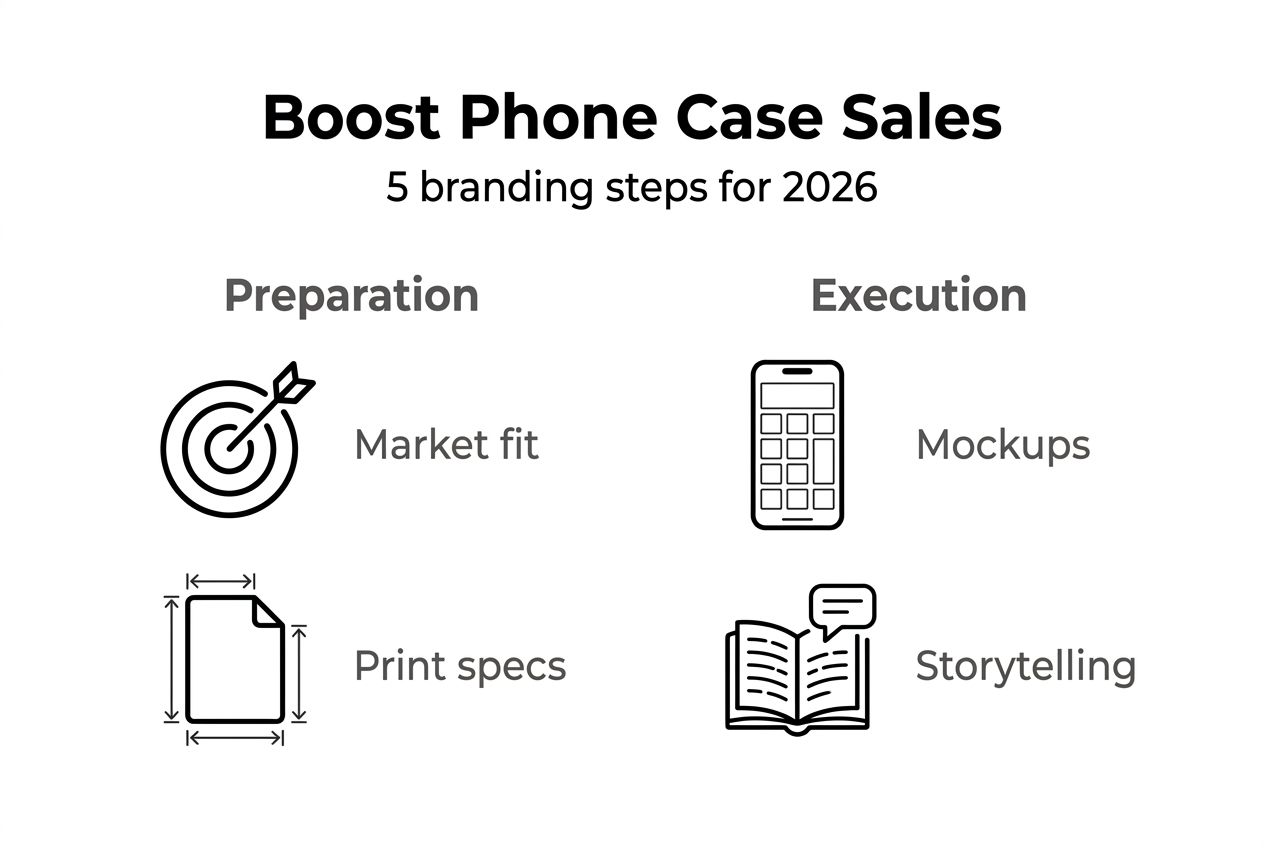
When selling phone cases online, your mockups are often the only product interaction before purchase. Invest in quality templates and accurate color management to ensure those first impressions convert browsers into buyers.
Regularly refresh your mockup library to prevent stale imagery. Trends in product photography evolve, and outdated visual styles signal that your brand isn’t keeping pace with market standards. Update backgrounds, lighting setups, and composition styles annually at minimum.
Elevate your phone case branding with Bettermockups
Creating professional branding requires tools designed specifically for product visualization. Bettermockups offers specialized mockup resources that help you showcase phone cases with photorealistic quality that drives conversions.
Explore video mockups for phone case business to add dynamic product presentations to your marketing. Video mockups show cases from multiple angles, demonstrate features like texture and finish, and create engaging social media content that static images can’t match.
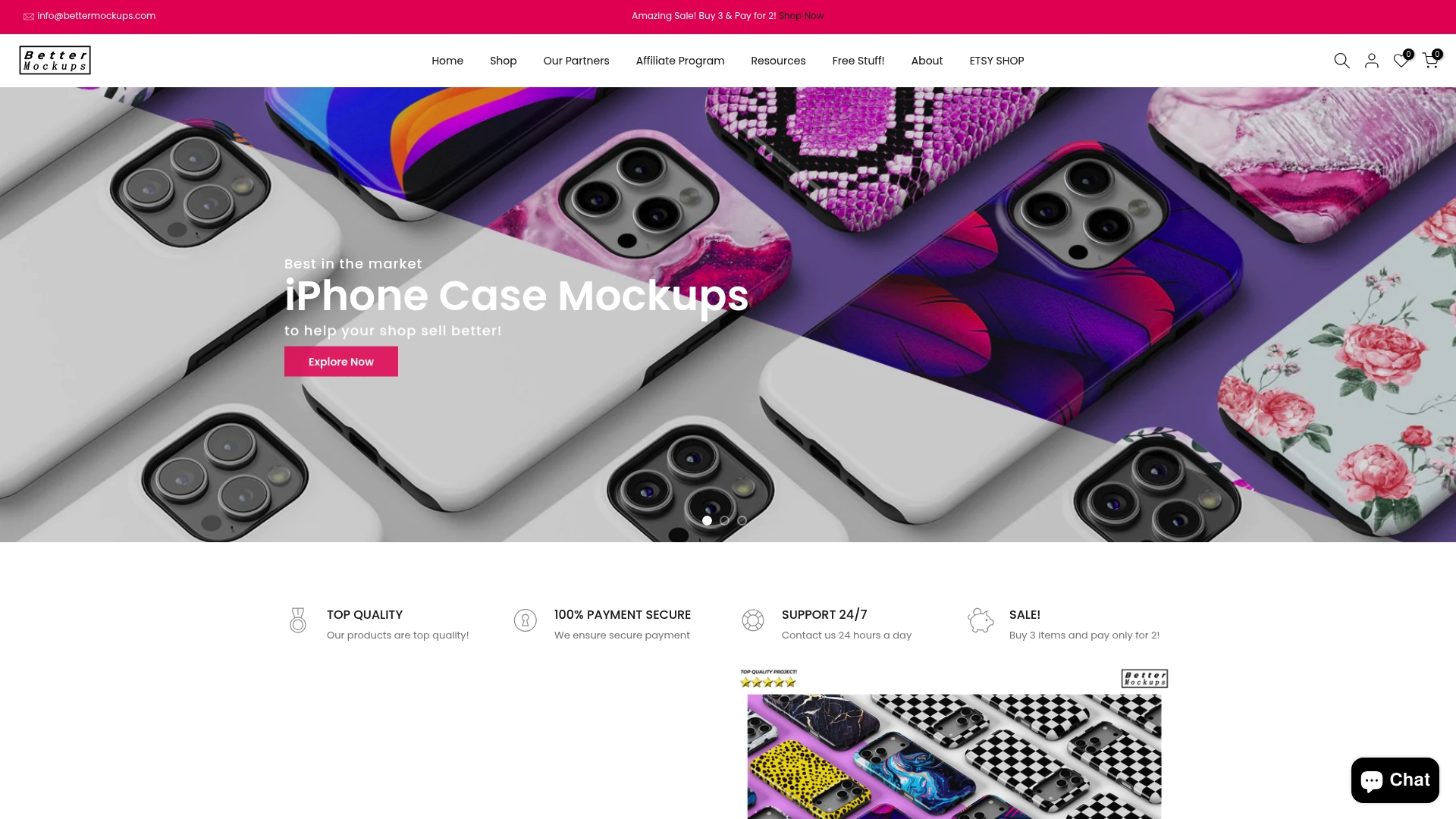
Stay current with trends by browsing latest phone case mockups released regularly. Fresh mockup styles keep your branding relevant and help you test new visual approaches without expensive photoshoots.
Simplify your workflow with step-by-step guidance on how to use our mockups. These tutorials walk you through customization, color management, and exporting optimized files for different marketing channels.
Frequently asked questions
What is the importance of using CMYK color profiles in phone case branding?
Using the CMYK color profile is crucial for accurate color reproduction in phone case printing. RGB colors designed for screens shift dramatically when converted to print, resulting in products that look different from your mockups and disappointing customers who expect exact matches.
How do professional mockups improve phone case branding and sales?
Professional mockups allow customers to visualize products realistically, increasing purchase confidence and reducing return rates. High-quality mockups signal brand professionalism, justify premium pricing, and create shareable visual content that drives organic marketing through customer posts and word-of-mouth recommendations.
What are common pitfalls when creating phone case branding and how can they be avoided?
Common mistakes include using low-resolution images leading to pixelated mockups and poor customer experience. Always design with CMYK color profiles for print accuracy, maintain resolution above 300 DPI, and test mockups across various device models to ensure broad appeal and consistent quality perception.
What marketing strategies are most effective for new phone case brands?
Leveraging social media creates organic reach through user-generated content and community building. Casetify’s social-first approach and scarcity strategies like limited editions drive urgency and sales. Strong brand narratives that position cases as lifestyle products rather than accessories deepen customer connections and increase lifetime value.


